
Guide for independent hotels
How to choose a booking system for a 1-30 room hotel
Start with the hotel's real workflow rather than a feature list: who maintains rates and availability, where guests arrive, whether online payment is required, and which systems need the resulting data.
This guide is for owners and teams at independent hotels, resorts, guesthouses, and villas that are selecting or reassessing a system for a property with up to 30 rooms or units.
Last reviewed:
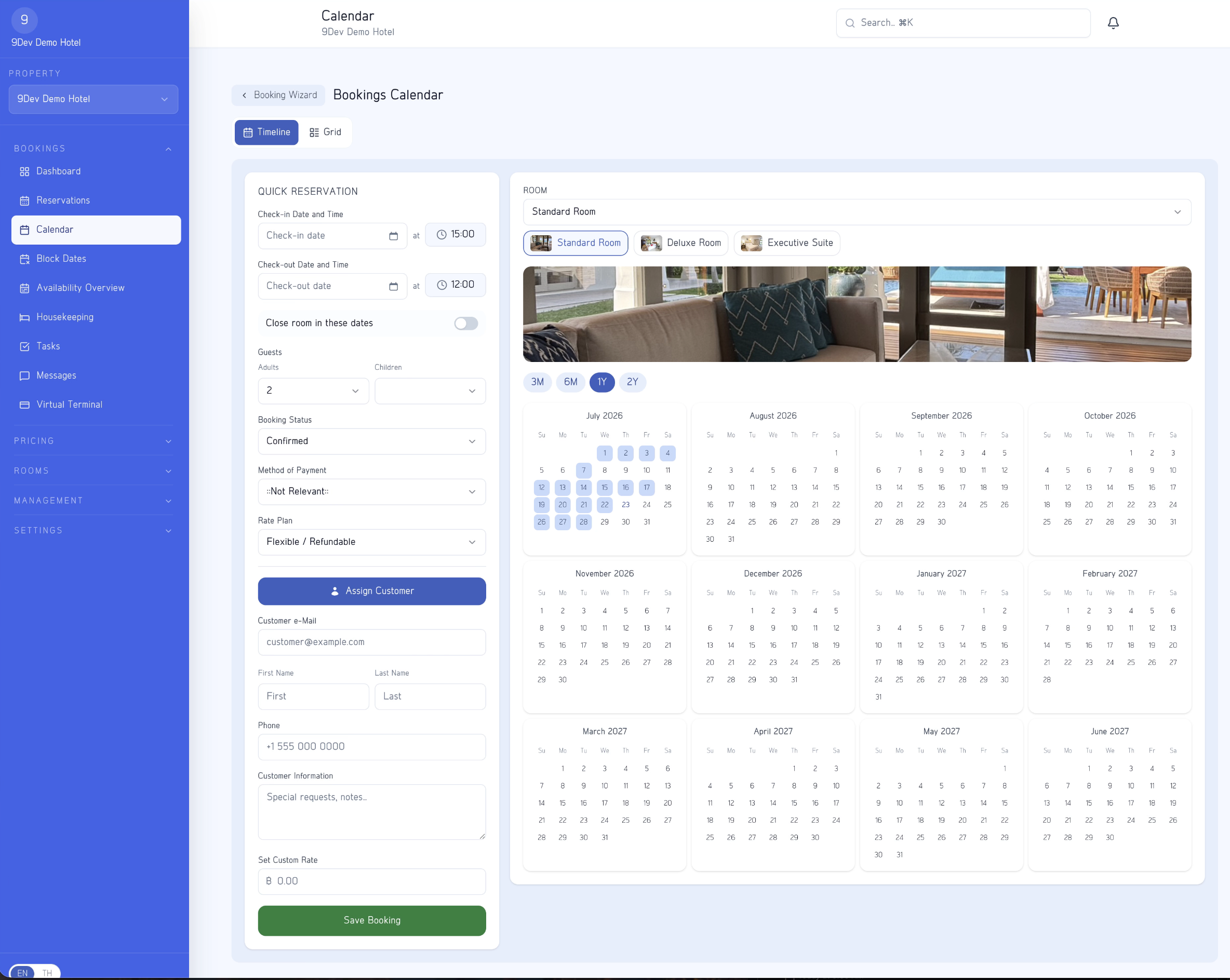
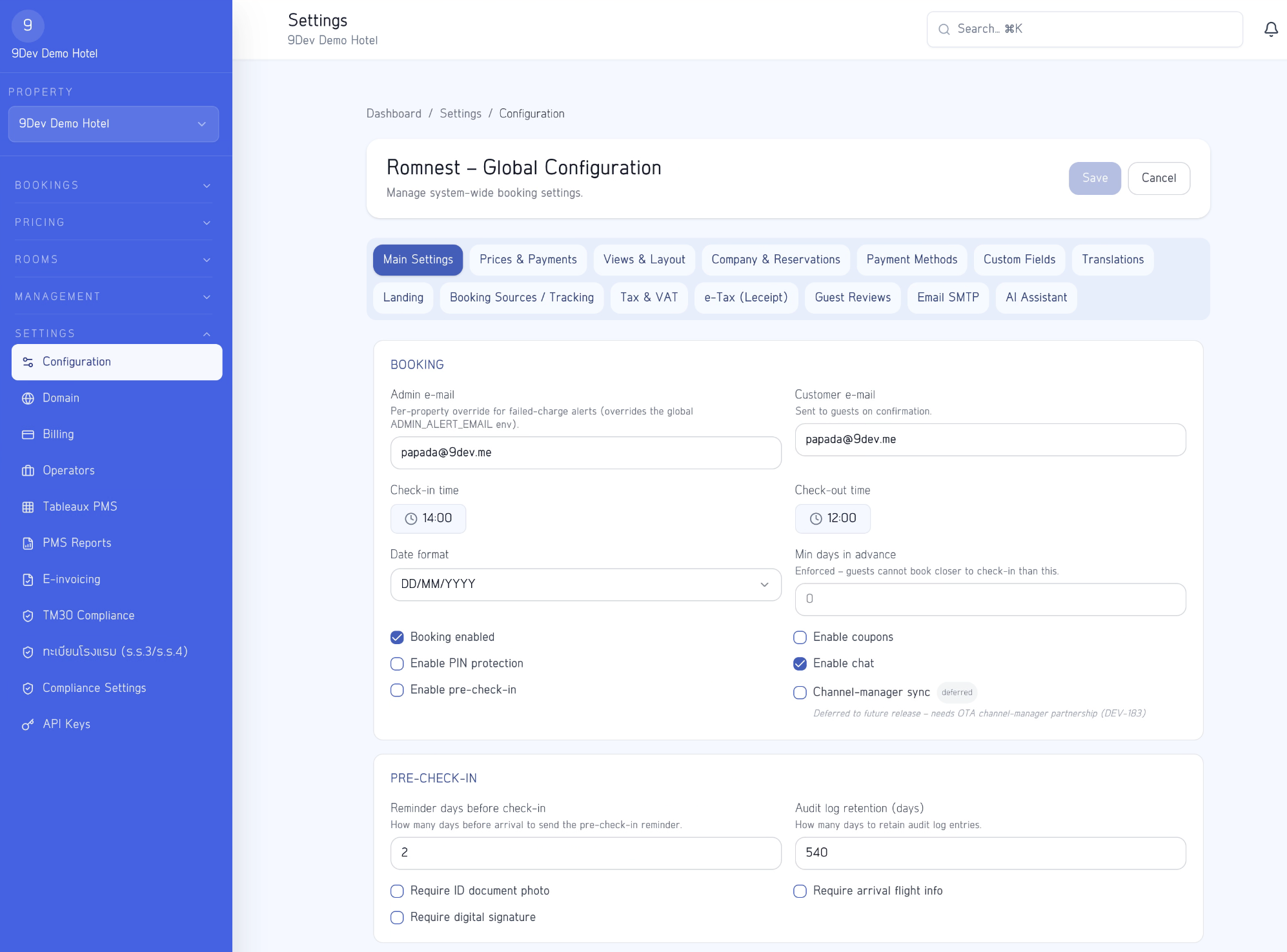
Evidence to gather before choosing
| Decision question | Evidence to inspect | Effect on fit | |
|---|---|---|---|
| Rooms or units on sale | Count only rooms or units that guests can reserve | List each room type and its sellable inventory | The total must fit the plan and the inventory model must match the hotel |
| Rate and availability ownership | Name the owner and how often information changes | Collect rate grids, closures, and minimum-stay examples | The interface must work for the responsible team without duplicate entry |
| Guest discovery and booking channels | Record the website, Facebook, LINE, Google Business Profile, and OTAs in use | Trace a real journey from discovery to reservation submission | The system needs a shareable booking link and a clear inventory process |
| Payments and external systems | Document deposits, payment gateways, and required data exchange | Gather payment terms, provider accounts, and required integrations | Confirm plan, cost, and integration boundaries before migration |
Answer six questions before comparing features
Begin with the number of rooms actually on sale, the people responsible for rates and availability, the channels guests use, the need for online payment, external systems that require data, and the time available for setup and ongoing maintenance.
Write the current process from a guest choosing dates through staff accepting and working on the reservation. Test that process in candidate systems so essential capabilities are separated from attractive features the team will not use.
- Count sellable rooms or units and document room-type structure
- Assign ownership for rates, availability, restrictions, and reservations
- Map guest channels and the points where a human reply is required
- List required payment gateways, PMS, channel manager, and accounting connections
- Name the people who will complete pre-launch booking tests
- Set a routine for reviewing content, prices, links, and user access
Evaluate Romnest by plan and workflow
Romnest provides a hotel website and direct-booking flow connected to room, rate, availability, and reservation data. The Free plan supports up to 5 rooms or units, Starter up to 12, and Pro up to 30.
Room count is only the first gate. The hotel must also verify rate rules, payments, user access, operations, and required external systems against the selected plan. Confirm required integrations before migration when a full PMS or channel-manager role is part of the process.
- Free: test direct booking with up to 5 rooms or units
- Starter: support up to 12 rooms or units with added plan capabilities
- Pro: support up to 30 rooms or units with added plan capabilities
- Choose by workflow and required capability, not room count alone
Test before launch and assign ownership
Add representative data and test the mobile journey through dates, guests, room, price, policy, reservation submission, and notifications. Staff should see the same reservation and know exactly where the next operational step takes place.
Before sharing the link, assign owners for rates, availability, images, policies, payments, and guest questions. A suitable system is one the team can keep accurate after launch, not only one that looks complete during setup.
- Test dates with and without availability
- Test real minimum-stay, coupon, and restriction examples
- Verify amounts, cancellation policies, and payment handling
- Verify notifications and each staff follow-up step
Important limitations
- Plan ceilings are 5 rooms or units on Free, 12 on Starter, and 30 on Pro; capability and workflow fit still need review
- Online payment requires an eligible plan and a supported payment-provider account configured by the hotel
- Hotels requiring a PMS, channel manager, accounting system, or specialist connection should confirm integration scope before migration
- No booking system guarantees reservations; the hotel remains responsible for rates, inventory, content, policies, and acquisition channels
Frequently asked questions
Should selection begin with room count or features?
Use room count to check plan ceilings first, then evaluate capabilities, workflow, people, and required integrations. Room count alone does not establish whether a system fits.
Should all data be migrated before testing?
No. Start with representative room types, rates, and policies. Complete the guest and staff workflow tests before planning migration of the remaining data.
Does a hotel using OTAs still need direct booking?
That depends on the hotel's channel strategy. Direct booking creates an owned channel but does not automatically replace OTAs. Rates, availability, and each channel's role still require management.
Who should test the system?
Include the person configuring the system and the people receiving reservations. They should also test as guests on a phone to cover both the booking and operational views.
Test a real booking workflow before deciding
Start on Free, add representative rooms, and have the team test from availability search through reservation receipt.